“It’s better to make a disorder…”.
The small town of Pößneck, some thirty kilometers south of the city of Jena (in the Thuringia region), is not known for its mischief, to say the least.
Unlike its little sister, Jena’s walls have, over the centuries, endured the fury of peasant rebels who, between 1524 and 1526, destroyed and pillaged hundreds of castles and religious buildings in the Holy Roman Empire. This insurrection, dubbed the “Uprising of the Common Man” (Erhebung des gemeinen Mannes) or more simply the “Peasants’ War” following Engels’ study, even aroused the ire of the Pope of Protestantism, Martin Luther, who advised the nobility to slaughter the 300,000 insurgent beggars to the last man. In his pamphlet entitled Contre les hordes de paysans voleurs et assassins (May 1525) (Against the hordes of thieving, murderous peasants), Luther wrote: “Let all who can, strike, kill and stab, secretly or openly, remembering that there is nothing more poisonous, harmful or diabolical than a rebel. It’s like when you have to kill a rabid dog: if you don’t hit it, it will hit you, and a whole country with you.”
But today, the good city of Jena is best known in the textbooks of domination as having been one of the cradles of German Romanticism, whose university saw Goethe and prestigious teachers such as Fichte, Schiller and Hegel pass through, not to mention a famous student, Karl Marx, who completed his doctorate in philosophy there in 1841. A little later, it was also here that Ernst Haeckel, patent eugenicist and inventor of the term “ecology” in 1866 (the anarchist Elisée Reclus preferred the term “mesology”), made his career. However, it would be a pity to remain in the academic sky of bourgeois ideas in 19th-century Jena, without mentioning another, lesser-known revolt that brought the city down to earth.
Continue reading Pößneck (Germany): “It’s better to make a disorder…”.
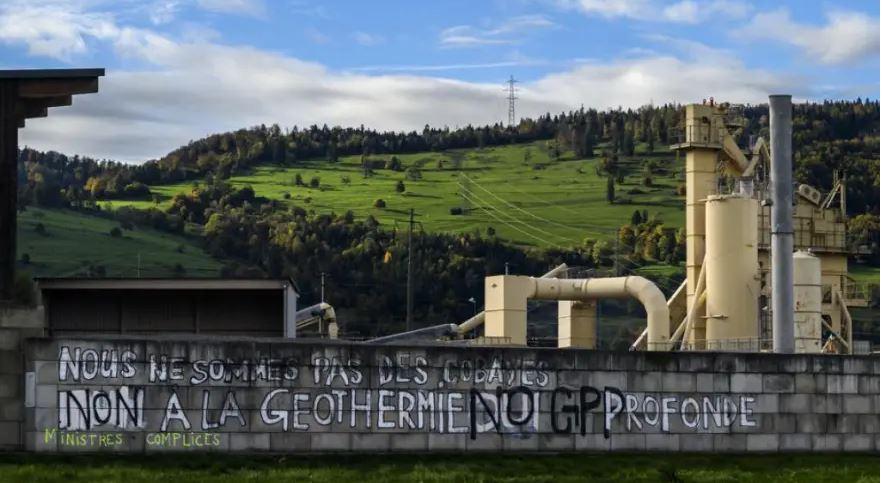

 them” reads a letter claiming responsibility for the arson attack on the vehicle of the head of a local architecture firm in Commercy in September 2022. The letter continues: “Our direct intervention should be read as a warning to local and regional construction companies, security firms, environmental monitoring institutes and so on. Those who think they can make a profit from nuclear devastation and the militarization of the territory by CIGEO will end up paying dearly for it!”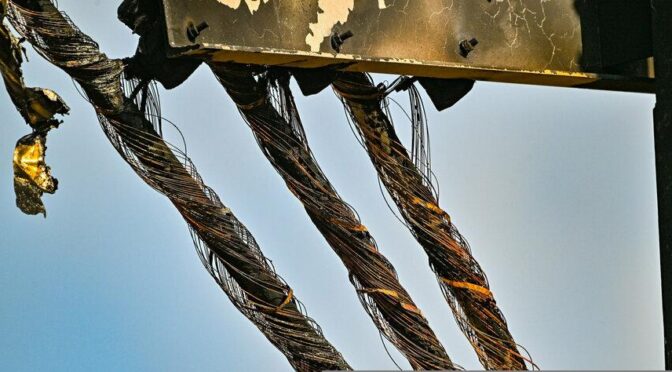
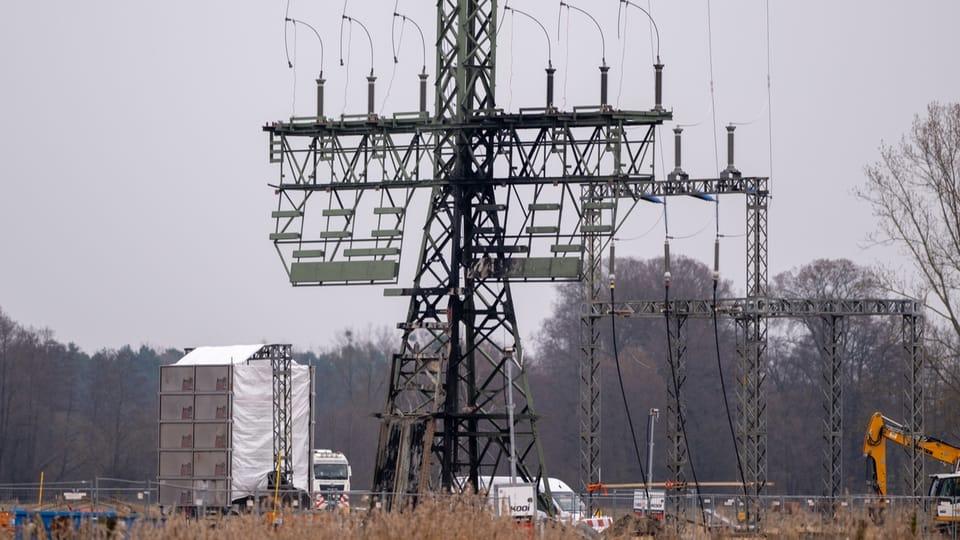 A week after a high-voltage power line tower in Berlin caught fire at dawn